
Internship
Notice: The images displayed on this site are used exclusively for visualization. I am committed to upholding intellectual property rights, ensuring these images do not expose any proprietary information.


Automation of CATIA V5 Surfacing
Problem: Surfacing a “specific feature” at Tesla causing a huge delay in project progress and increasing workloads on the engineers
Solution: By studying the topological world of curvatures, string objects, and addressing randomness challenges, I developed a mathematical approach to compute an inconsistent CATIA V5 surfacing at Tesla. Using only 2x user inputs, this method achieved an accuracy of 80-90%.
Testing: Tests were conducted on 10 Tesla Semi surfacing parts, with time metrics recorded during program usage to evaluate performance and efficiency.
Result: The programs successfully reduced the surfacing process time by 30-50%, resulting in an overall stamping surfacing project time reduction of 5-10% per Tesla stamping part.

Tesla Semi Surfacing Projects
Problem: Tasked with designing a die surfacing cavity for Tesla Semi parts to ensure smooth metal transitions with minimal thinning and wrinkling.
Solution: Collaborated with a mentor to study and implement innovative surfacing design patterns, implementing engineering analysis of metal stamping flow through AutoForm to optimize structures manufacturability.
Result: Successfully reduce thinning on stamping parts from 32% to 14%, surfaces are accepted into production
Notice: The images displayed on this site are used exclusively for visualization. I am committed to upholding intellectual property rights, ensuring these images do not expose any proprietary information.

Machine-Learning Forging Load Prediction
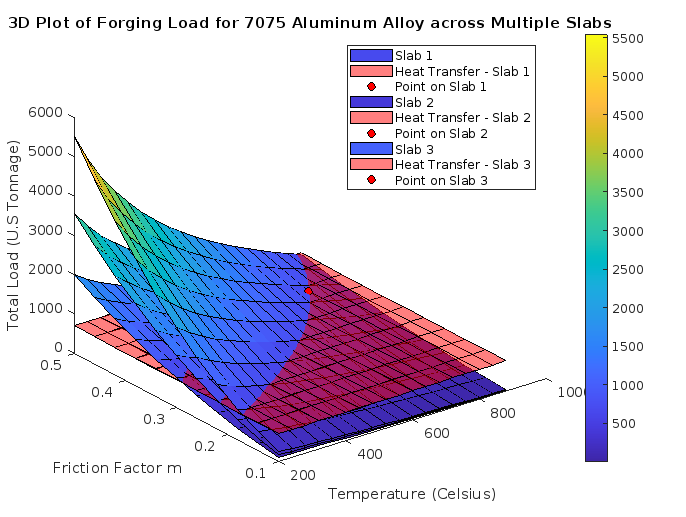
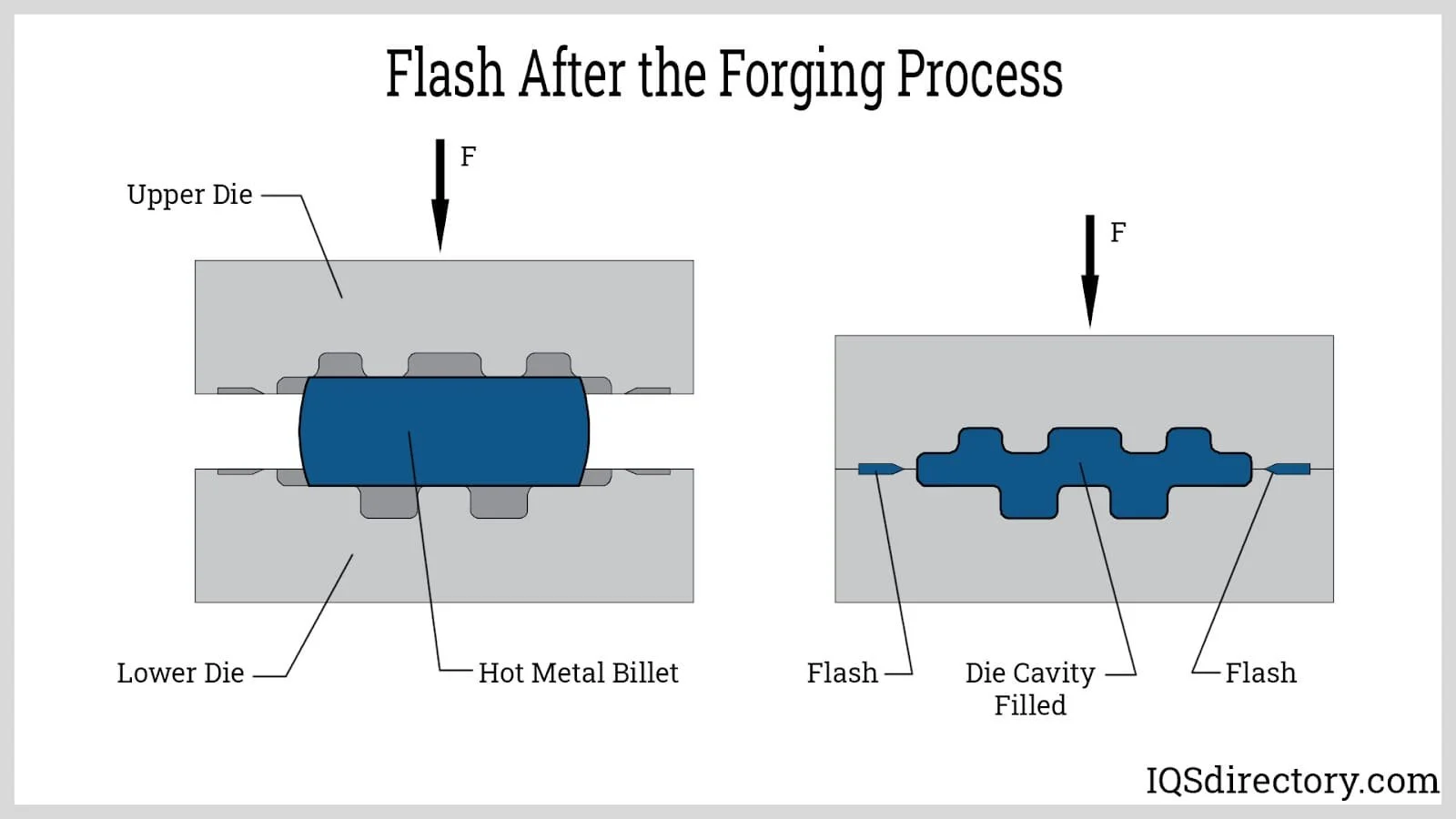
Problem: High frequency of wrong estimation on initial forging load causing engineers and technicians to go through multiple trials
Solution: I implemented the Slab Analysis Method into a MATLAB code to estimate the initial forging load required for Closed-Die Forging, prior to using DEFORM Simulation. Afterward, I built a machine-learning program to compute the previous data to predict correct future forging loads
Testing: To verify the calculation, I used Digital Wavelength Infrared Pyrometry to ensure the temperature was accurate and aligned with the Strength Coefficient of aluminum under the specified conditions. After that, I carefully and correctly coated the surface of the metal to allow the smooth flow of plastic metal. Then, I compared the testing load derived from the calculation with the previously proven correct testing load for validation.
Results: Prediction reach 85% accurate for future forging load